Category: Technology

  • Top Emerging Technologies to Watch This Year

    Top Emerging Technologies to Watch This Year

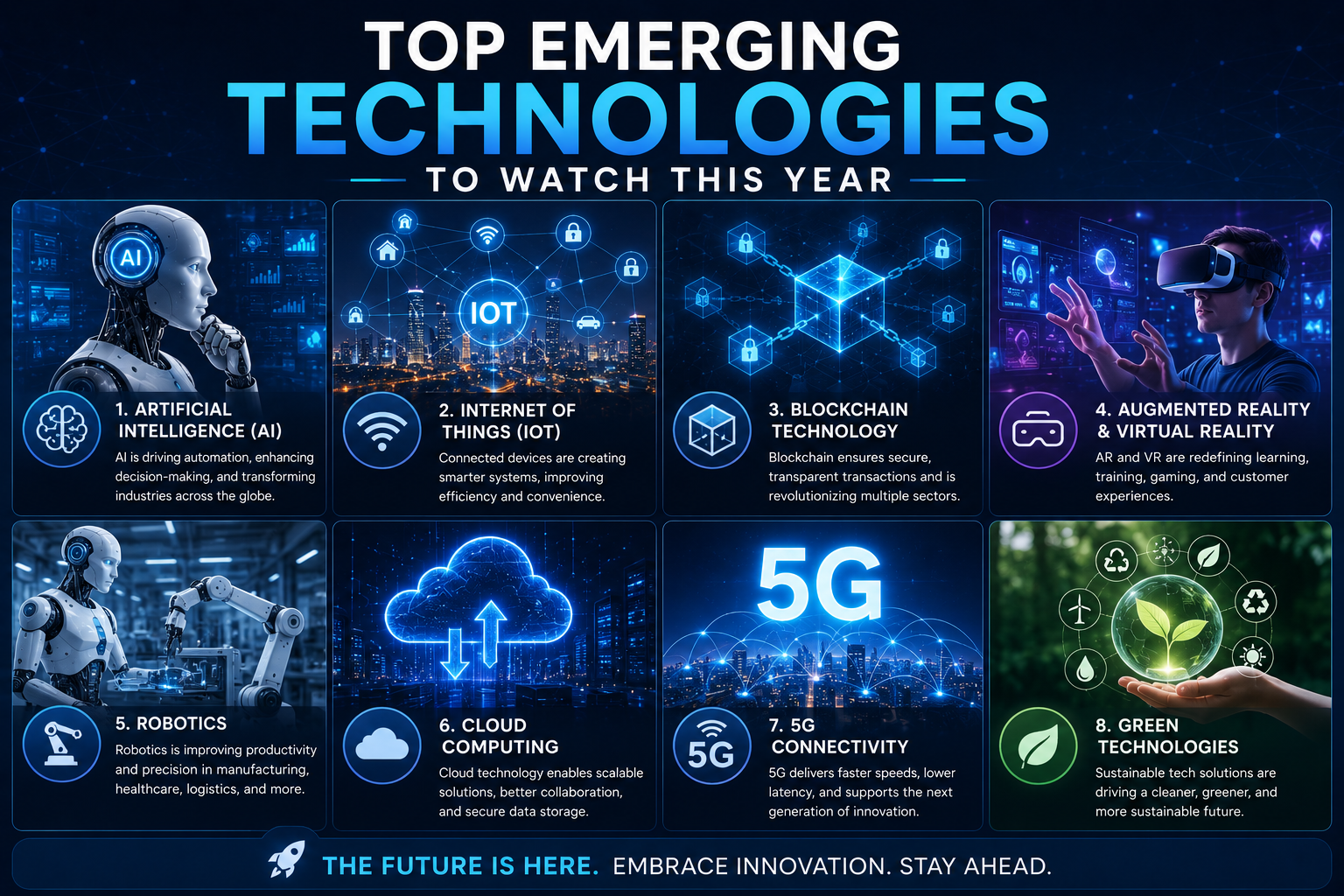
    Technology continues to evolve at a rapid pace, creating new opportunities for businesses, industries, and individuals. Emerging technologies are transforming how we work, communicate, and solve complex challenges. Staying informed about these innovations can help organizations remain competitive and prepare for the future.

    One of the most influential emerging technologies is Artificial Intelligence (AI). AI-powered systems are improving automation, data analysis, customer service, and decision-making across multiple industries. As AI continues to advance, its impact on business operations and everyday life is expected to grow significantly.

    Another important innovation is the Internet of Things (IoT). Connected devices are enabling smarter homes, cities, and industries by collecting and sharing data in real time. This technology improves efficiency, reduces costs, and enhances user experiences.

    Blockchain technology is also gaining attention beyond cryptocurrency. Businesses are exploring blockchain for secure transactions, supply chain management, digital identity verification, and data security. Its decentralized nature offers increased transparency and trust.

    Augmented Reality (AR) and Virtual Reality (VR) are changing how people learn, shop, and interact with digital environments. These immersive technologies are being adopted in education, healthcare, gaming, and training programs.

    Additionally, advancements in robotics, cloud computing, and 5G connectivity are accelerating innovation worldwide. These technologies support faster communication, improved automation, and greater access to digital services.

    As emerging technologies continue to shape the future, businesses and individuals who embrace innovation will be better positioned for success. Understanding these trends today can help prepare for the opportunities and challenges of tomorrow.
  • How Technology Is Revolutionizing Healthcare

    How Technology Is Revolutionizing Healthcare

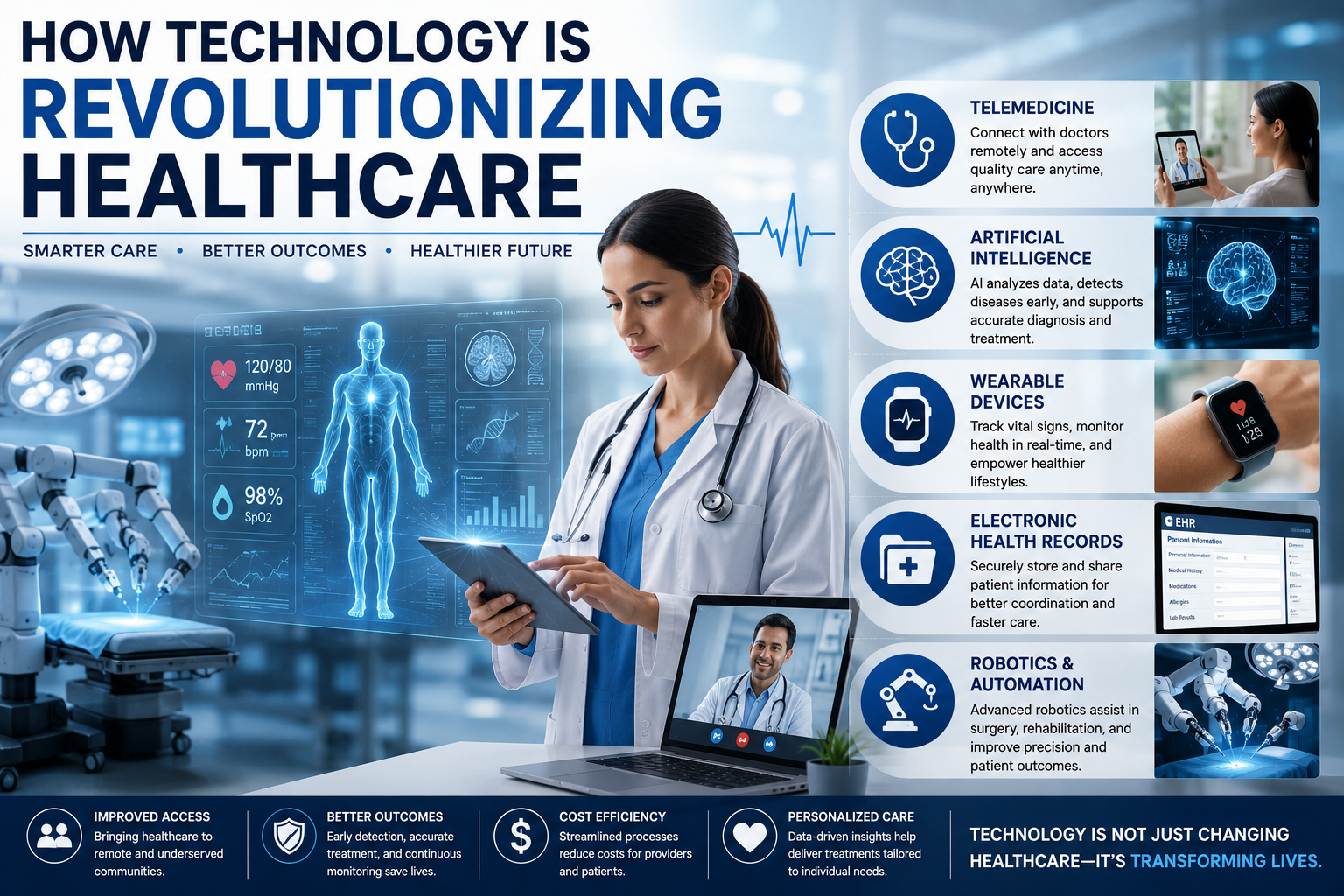
    Technology is transforming healthcare in ways that were once unimaginable. From artificial intelligence and telemedicine to wearable devices and electronic health records, digital innovations are improving patient care, increasing efficiency, and making healthcare services more accessible around the world.

    One of the most significant advancements is telemedicine. Patients can now consult doctors remotely using smartphones, tablets, or computers. This technology saves time, reduces travel costs, and allows individuals in remote areas to access quality healthcare services without visiting a hospital or clinic.

    Artificial Intelligence (AI) is also playing a major role in modern healthcare. AI-powered systems can analyze medical data, detect diseases at earlier stages, and assist healthcare professionals in making more accurate diagnoses. These tools help improve treatment outcomes and support faster decision-making.

    Wearable technology has become increasingly popular for monitoring health and fitness. Smartwatches and fitness trackers can measure heart rate, track physical activity, monitor sleep patterns, and even detect certain health conditions. This real-time data helps individuals take a proactive approach to their well-being.

    Electronic Health Records (EHRs) have improved how medical information is stored and shared. Healthcare providers can access patient records quickly and securely, reducing paperwork and improving coordination between different medical professionals.

    As technology continues to evolve, healthcare will become more personalized, efficient, and accessible. Innovations such as robotics, machine learning, and remote monitoring are shaping the future of medicine and helping healthcare providers deliver better care. Technology is not only improving lives but also creating a healthier future for people worldwide.

  • The Benefits of Automation in Modern Businesses

    The Benefits of Automation in Modern Businesses

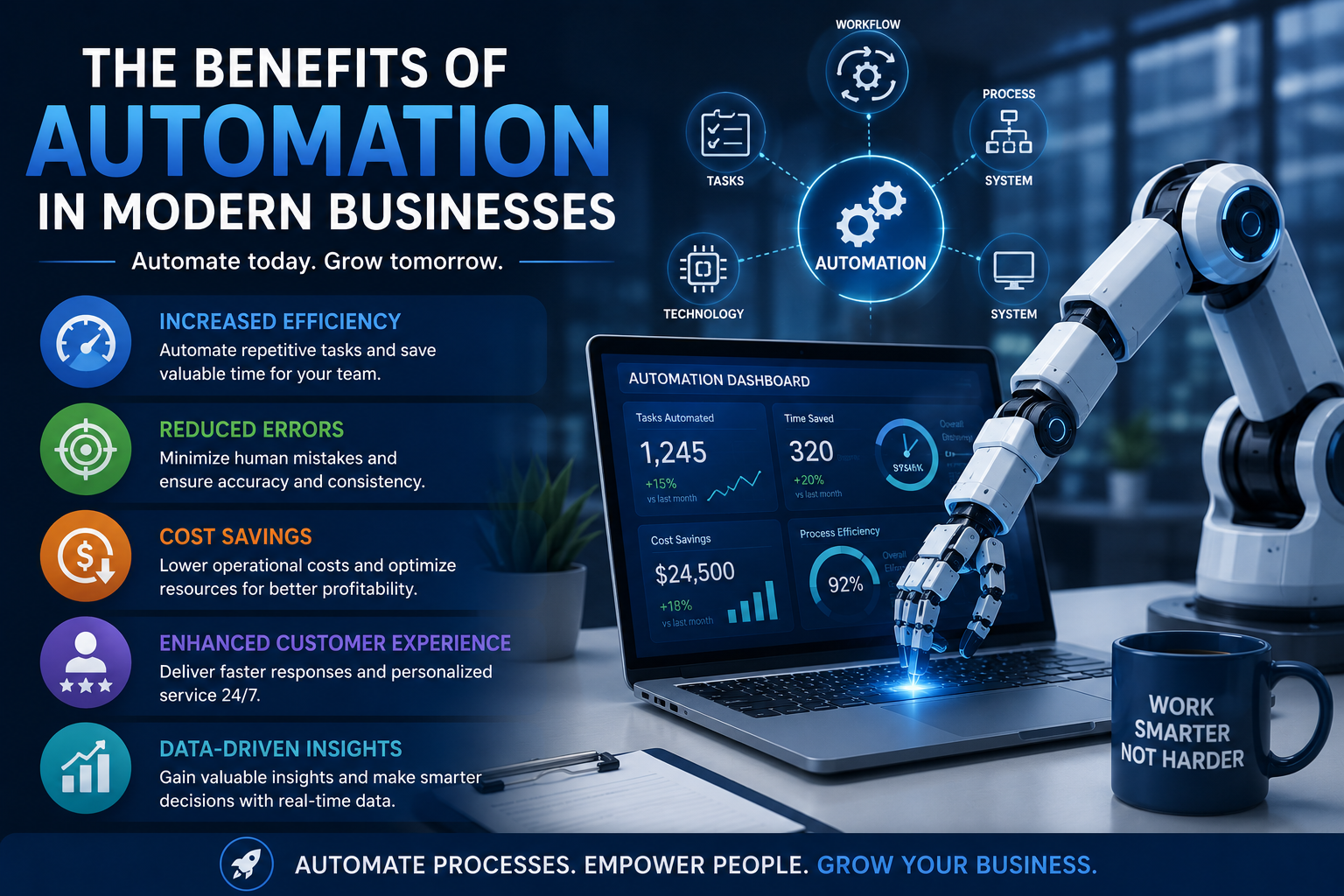
    Automation has become a key driver of efficiency and growth in today’s business environment. As technology continues to evolve, organizations are increasingly adopting automated systems to streamline operations, reduce costs, and improve productivity. From customer service to data management, automation is transforming the way businesses operate.

    One of the primary benefits of automation is increased efficiency. Repetitive tasks such as data entry, invoicing, appointment scheduling, and email responses can be handled automatically, allowing employees to focus on more strategic and creative responsibilities. This not only saves time but also improves overall workflow.

    Automation also helps reduce human error. Manual processes can lead to mistakes that may affect customer satisfaction and business performance. Automated systems perform tasks consistently and accurately, improving reliability and reducing costly errors.

    Another major advantage is cost savings. By automating routine operations, businesses can lower labor costs and optimize resource allocation. Small and medium-sized businesses, in particular, can benefit from automation by achieving more with fewer resources.

    Customer experience is also enhanced through automation. Chatbots, automated support systems, and personalized marketing tools enable businesses to provide faster responses and better service around the clock. This helps build stronger relationships with customers and improve satisfaction.

    In addition, automation provides valuable insights through data collection and analytics. Business leaders can make informed decisions based on real-time information and performance metrics.

    As competition continues to increase, automation is becoming essential for long-term success. Companies that embrace automation can improve efficiency, boost productivity, and remain competitive in an increasingly digital marketplace.

  • Best Productivity Apps for Students and Professionals

    Best Productivity Apps for Students and Professionals

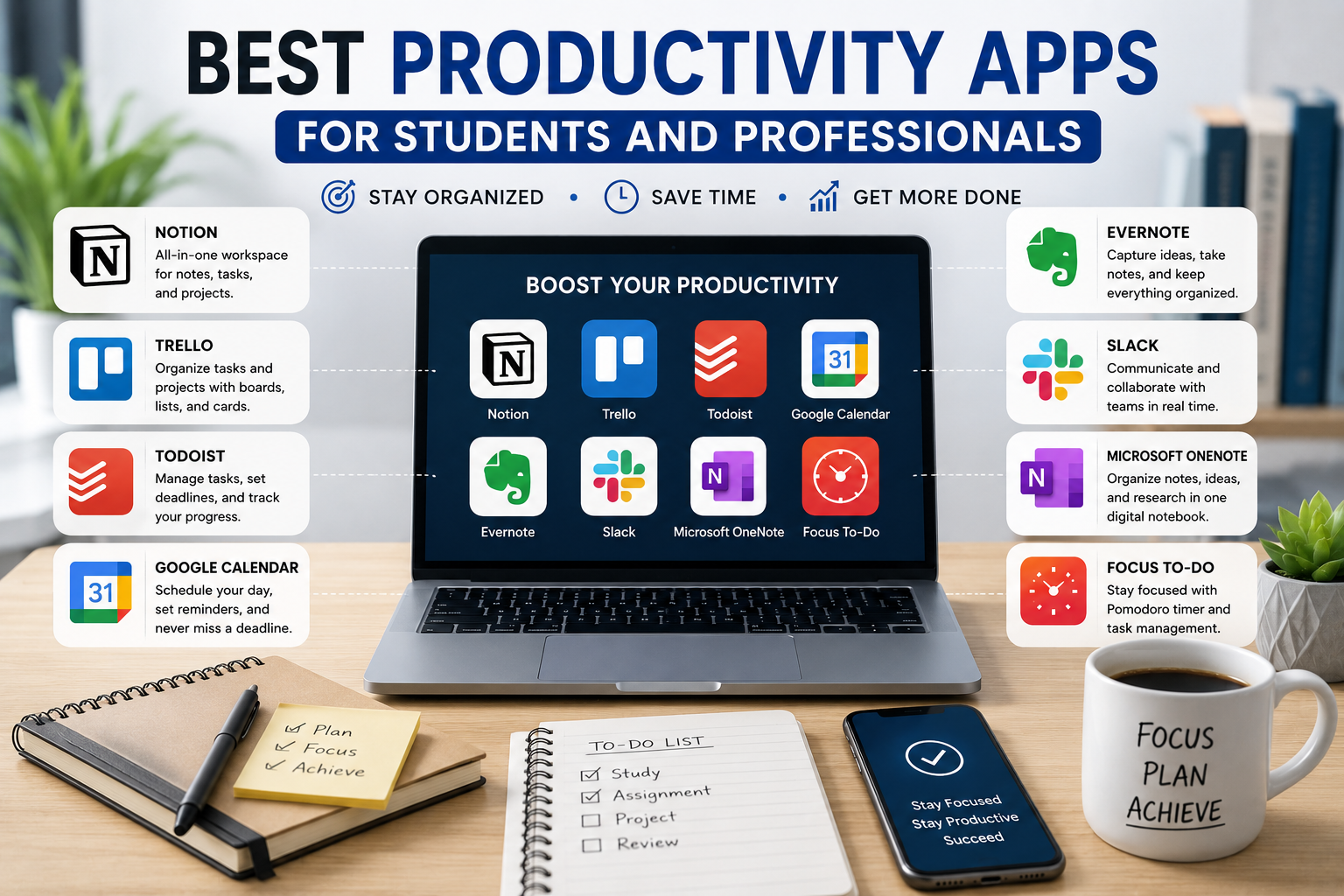
    In today’s fast-paced digital world, staying organized and productive is more important than ever. Whether you’re a student managing assignments or a professional handling multiple projects, productivity apps can help you save time, stay focused, and accomplish more. With the right tools, managing tasks and improving efficiency becomes much easier.

    One of the most popular productivity apps is a task management tool that allows users to create to-do lists, set deadlines, and track progress. These features help individuals stay organized and ensure that important tasks are completed on time.

    Note-taking applications are also essential for both students and professionals. They make it easy to capture ideas, organize information, and access notes across multiple devices. This flexibility allows users to stay productive whether they are in class, at work, or on the move.

    Calendar and scheduling apps play a crucial role in time management. By organizing appointments, meetings, and deadlines in one place, users can better plan their day and avoid missing important events.

    Collaboration tools have become increasingly important, especially with the rise of remote work and online learning. These platforms enable teams to communicate, share files, and work together on projects in real time, improving efficiency and teamwork.

    The best productivity apps are those that fit your specific needs and workflow. By choosing the right digital tools, students and professionals can reduce stress, improve organization, and maximize their productivity. As technology continues to evolve, productivity apps will remain valuable resources for achieving personal and professional success.

  • How 5G Technology Is Changing the World

    How 5G Technology Is Changing the World

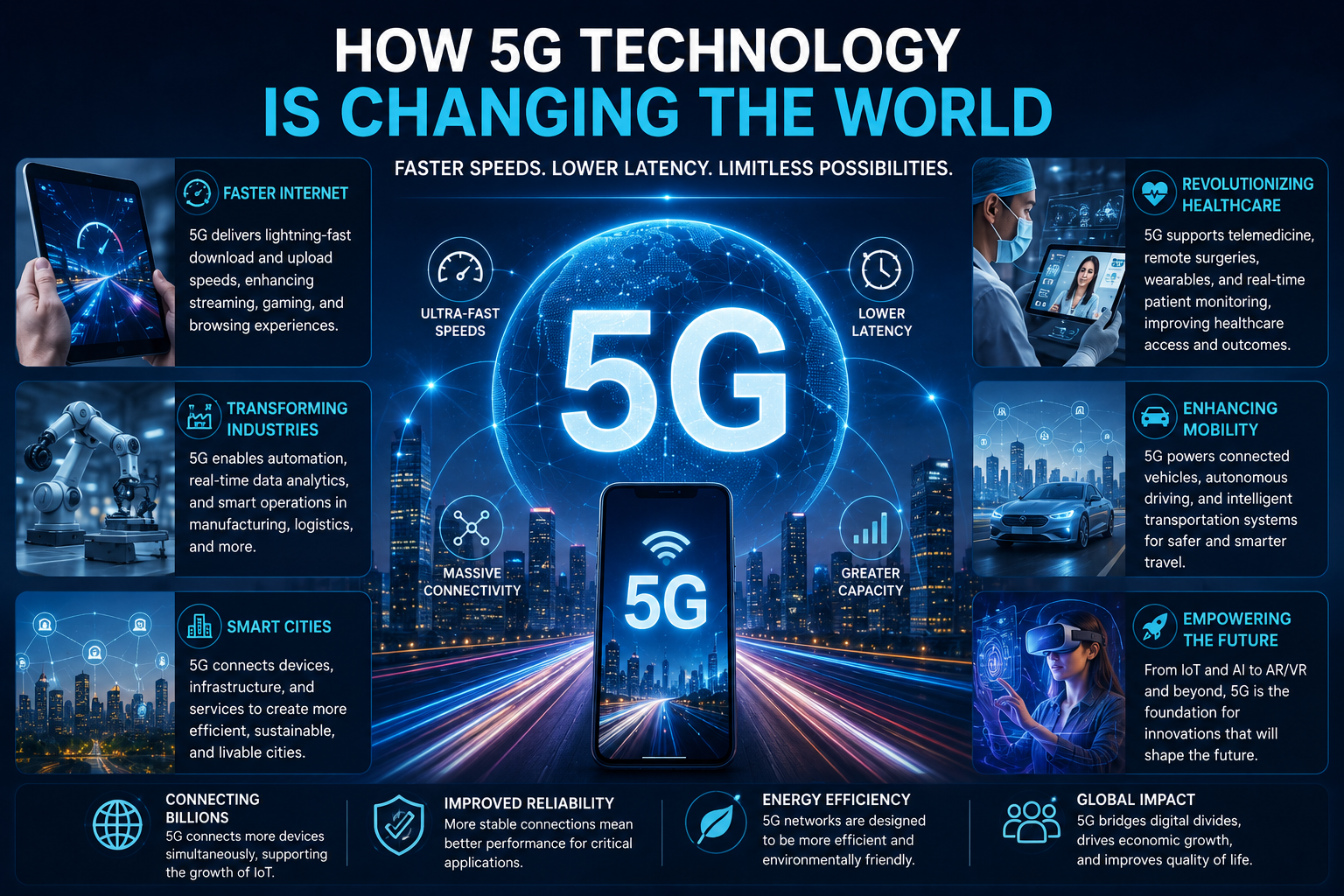
    The introduction of 5G technology marks one of the most significant advancements in modern communication. As the fifth generation of mobile networks, 5G offers faster internet speeds, lower latency, and greater connectivity than previous generations. This revolutionary technology is transforming industries, improving user experiences, and paving the way for future innovations.

    One of the most noticeable benefits of 5G is its incredible speed. Users can download large files, stream high-definition videos, and access online services much faster than before. This enhanced performance improves productivity and creates a more seamless digital experience.

    Another key advantage is reduced latency, which refers to the time it takes for data to travel between devices. With near-instant communication, technologies such as online gaming, video conferencing, and real-time applications become more reliable and efficient.

    5G is also playing a major role in the growth of the Internet of Things (IoT). Smart devices, vehicles, sensors, and connected systems can communicate more effectively, enabling smarter cities, intelligent transportation systems, and automated industries.

    In healthcare, 5G supports remote patient monitoring, telemedicine, and faster access to medical data. Businesses are also benefiting through improved cloud services, enhanced collaboration tools, and better support for remote work environments.

    As global adoption continues to expand, 5G technology will serve as the foundation for future innovations, including autonomous vehicles, smart infrastructure, and advanced artificial intelligence applications. Its impact extends far beyond faster mobile internet—it is helping create a more connected, efficient, and technologically advanced world.

  • Cybersecurity Tips Everyone Should Follow in 2026

    Cybersecurity Tips Everyone Should Follow in 2026

    As technology continues to advance, cyber threats are becoming more sophisticated and widespread. From personal data theft to business security breaches, cybercriminals are constantly looking for new ways to exploit vulnerabilities. In 2026, cybersecurity is no longer just an IT concern—it’s a responsibility for everyone who uses digital devices and online services.

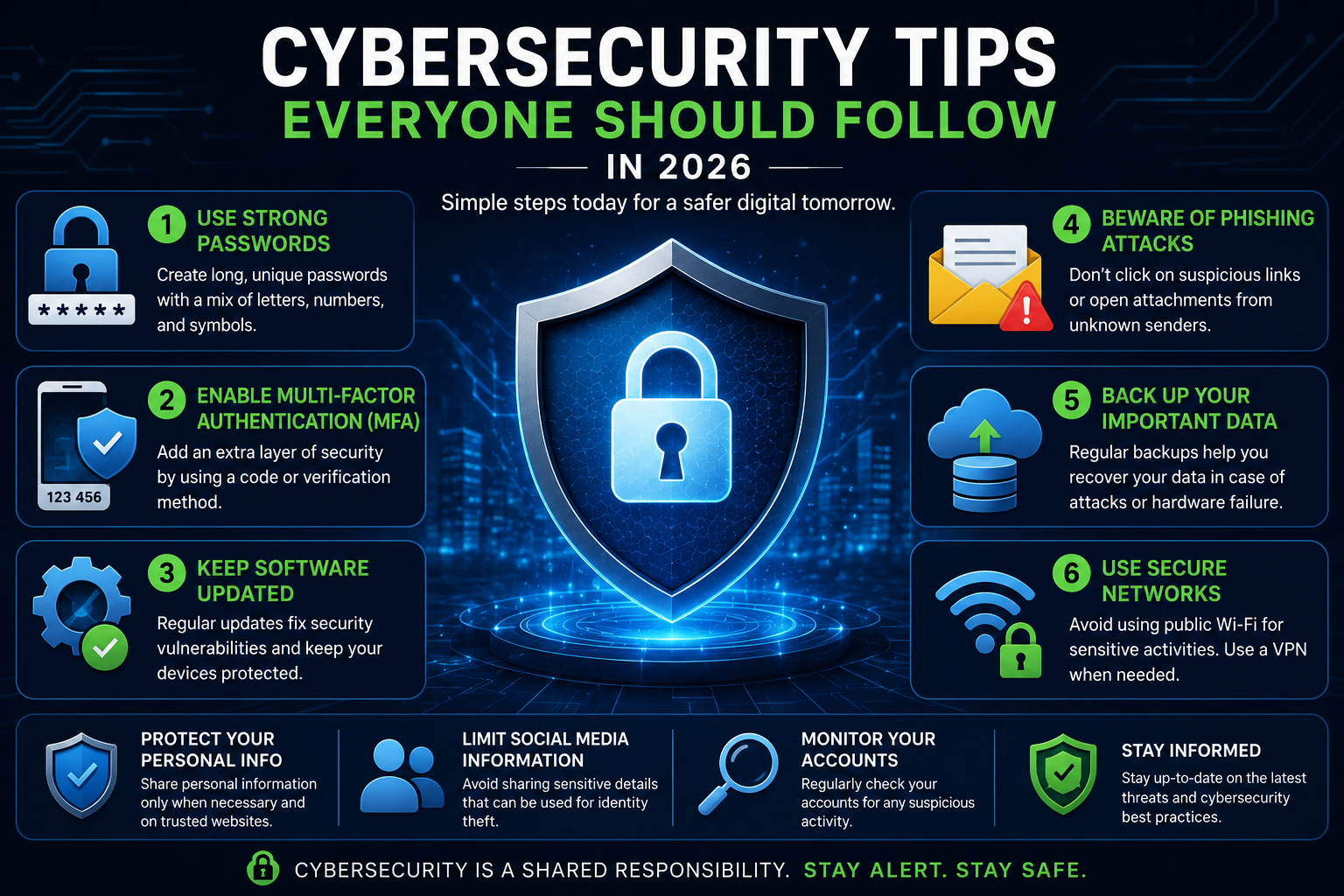
    One of the most important cybersecurity practices is using strong and unique passwords for every account. Weak passwords are easy targets for hackers. Consider using a password manager to generate and store secure passwords safely.

    Another essential step is enabling multi-factor authentication (MFA). This security feature adds an extra layer of protection by requiring users to verify their identity through a second method, such as a code sent to their phone or email.

    Keeping software and devices updated is equally important. Software updates often include security patches that fix vulnerabilities discovered by developers. Ignoring updates can leave systems exposed to cyberattacks.

    Users should also be cautious when opening emails, clicking links, or downloading attachments from unknown sources. Phishing scams remain one of the most common methods cybercriminals use to steal personal information and login credentials.

    Regularly backing up important files is another smart security habit. In the event of ransomware attacks, hardware failure, or accidental data loss, backups can help restore critical information quickly.

    Cybersecurity is an ongoing process rather than a one-time task. By following these simple but effective practices, individuals and businesses can significantly reduce their risk of cyber threats and enjoy a safer digital experience.

  • Cloud Computing Explained: Benefits for Businesses

    Cloud Computing Explained: Benefits for Businesses

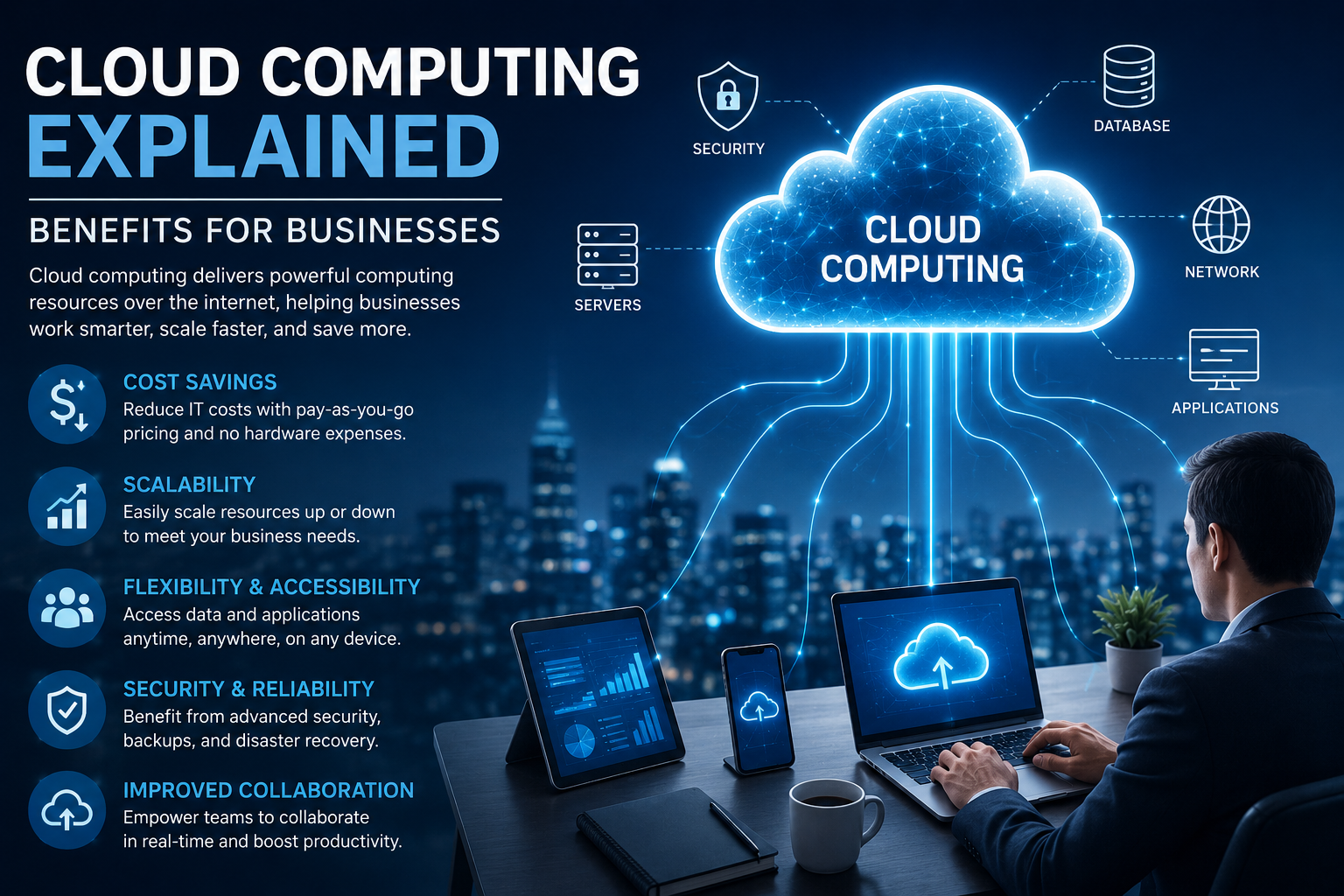
    Technology continues to transform the business world, and cloud computing has become one of the most important innovations of the digital age. Cloud computing refers to the delivery of computing services such as storage, databases, software, and networking over the internet. Instead of relying on physical servers and expensive hardware, businesses can access resources on demand from cloud service providers.

    One of the greatest benefits of cloud computing is cost efficiency. Traditional IT infrastructure requires significant investments in equipment, maintenance, and upgrades. Cloud solutions eliminate many of these expenses by offering flexible pricing models where businesses only pay for the resources they use.

    Another major advantage is scalability. As a business grows, its technology needs increase. Cloud computing allows organizations to quickly scale resources up or down without purchasing additional hardware. This flexibility helps companies adapt to changing market demands and business requirements.

    Cloud computing also supports remote work and collaboration. Employees can access files, applications, and business systems from virtually anywhere with an internet connection. Teams can collaborate in real time, improving communication and productivity across departments.

    Data security and disaster recovery are additional benefits. Most cloud providers implement advanced security measures, including encryption, regular backups, and threat monitoring. These features help protect sensitive business information and ensure business continuity in the event of unexpected disruptions.

    As digital transformation continues to accelerate, cloud computing remains a powerful tool for innovation and growth. Businesses that embrace cloud technology can improve efficiency, reduce operational costs, and gain a competitive advantage in today’s fast-paced marketplace.

  • How Artificial Intelligence Is Transforming Everyday Life

    How Artificial Intelligence Is Transforming Everyday Life

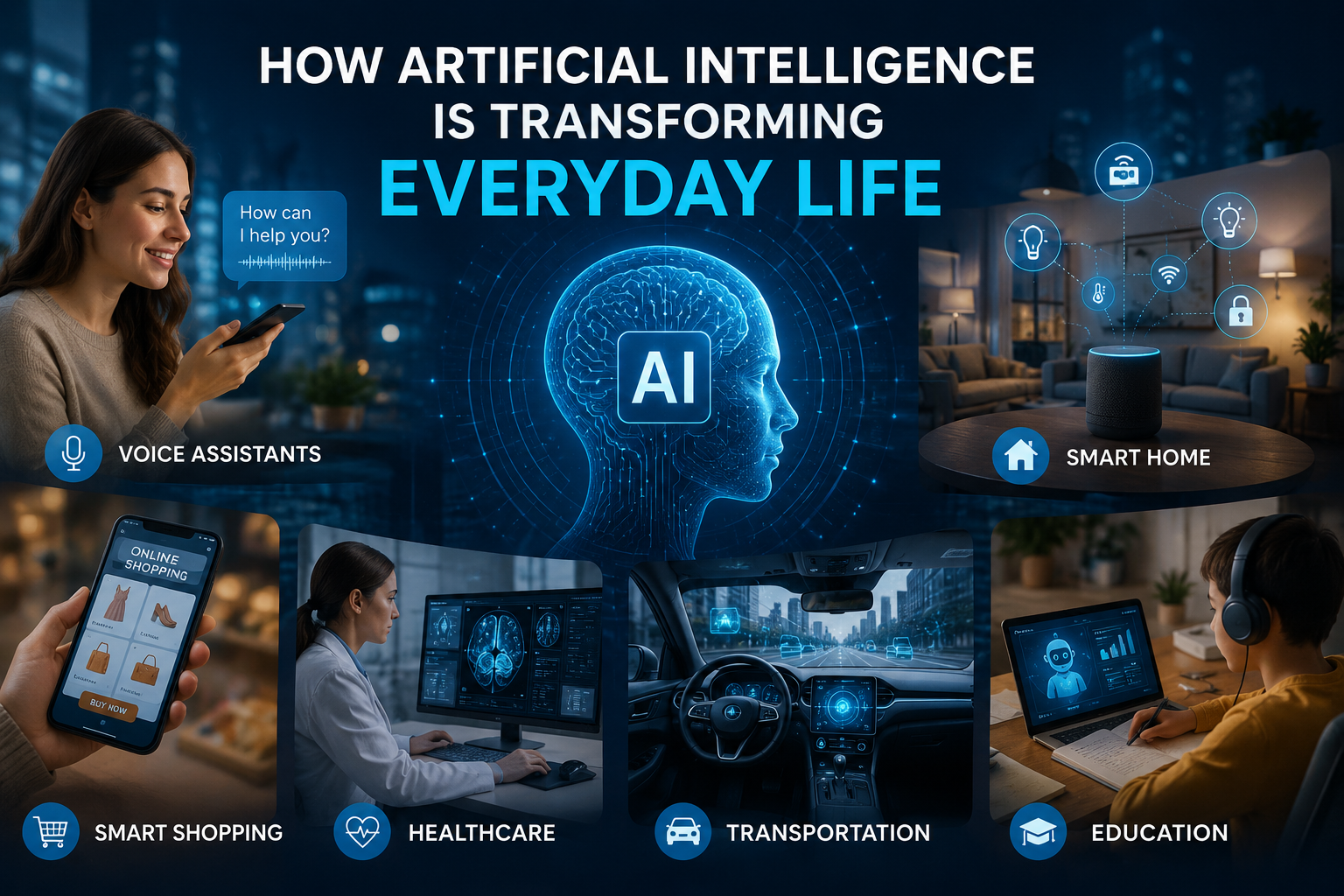
    Artificial Intelligence (AI) is no longer a futuristic concept found only in science fiction movies. Today, AI has become an integral part of daily life, helping people perform tasks more efficiently and improving experiences across various industries. From smartphones to online shopping, AI is changing how we interact with technology every day.

    One of the most common uses of AI is in personal digital assistants. Applications such as voice assistants can answer questions, set reminders, play music, and provide directions within seconds. These tools use advanced algorithms to understand user preferences and deliver personalized experiences.

    AI is also revolutionizing the way people shop online. E-commerce platforms analyze customer behavior, browsing history, and purchase patterns to recommend products that match individual interests. This not only improves the shopping experience but also helps businesses increase customer satisfaction and sales.

    In healthcare, AI is assisting medical professionals by analyzing patient data, detecting diseases earlier, and supporting more accurate diagnoses. These advancements help improve treatment outcomes and make healthcare services more efficient.

    Transportation is another area benefiting from AI technology. Navigation apps use real-time traffic data to suggest the fastest routes, while modern vehicles increasingly rely on AI-powered systems for safety features and driving assistance.

    Education has also embraced AI through personalized learning platforms that adapt to students’ needs and learning speeds. This allows learners to receive customized educational experiences and improve their understanding of complex subjects.

    As AI technology continues to evolve, its impact on everyday life will become even more significant. While challenges such as privacy and ethical concerns remain, AI offers countless opportunities to improve convenience, productivity, and innovation. Understanding and embracing these advancements can help individuals and businesses thrive in an increasingly digital world.

  • Top 10 Technology Trends Every Business Should Know in 2026

    Top 10 Technology Trends Every Business Should Know in 2026

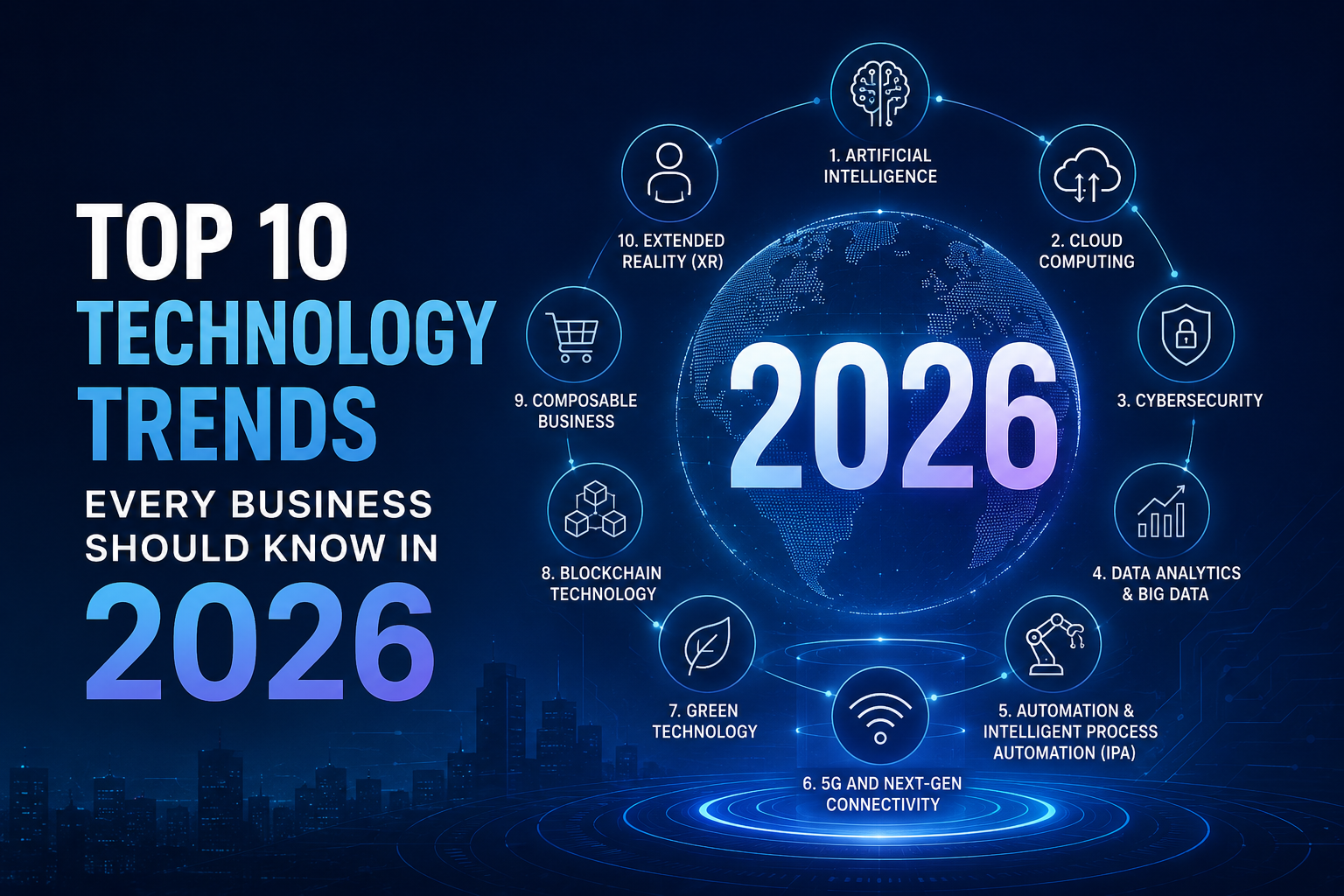
    Technology continues to evolve at an incredible pace, and businesses that stay ahead of these changes are more likely to grow and remain competitive. In 2026, several emerging technologies are reshaping industries and creating new opportunities for innovation.

    Artificial Intelligence (AI) remains one of the most influential trends. Businesses are using AI to automate repetitive tasks, improve customer service, and gain valuable insights from data. Cloud computing is also essential, allowing organizations to store information securely, collaborate remotely, and scale operations with ease.

    Cybersecurity has become more important than ever as cyber threats continue to increase. Companies are investing in stronger security measures, including multi-factor authentication, encryption, and employee awareness training to protect sensitive information.

    Automation is helping businesses reduce manual work and improve efficiency. From marketing campaigns to inventory management, automated systems save time and reduce errors. The Internet of Things (IoT) is also expanding, connecting smart devices that collect real-time data to improve decision-making and operational performance.

    Other key trends include blockchain technology for secure transactions, 5G networks for faster connectivity, data analytics for smarter business decisions, sustainable technology for reducing environmental impact, and remote collaboration tools that support flexible work environments.

    Businesses that embrace these technology trends can improve productivity, strengthen customer relationships, and prepare for future challenges. Staying informed and investing in the right digital solutions is no longer optional—it’s essential for long-term success in today’s fast-changing world.

  • The Future of Artificial Intelligence: What to Expect in the Next 5 Years

    The Future of Artificial Intelligence: What to Expect in the Next 5 Years

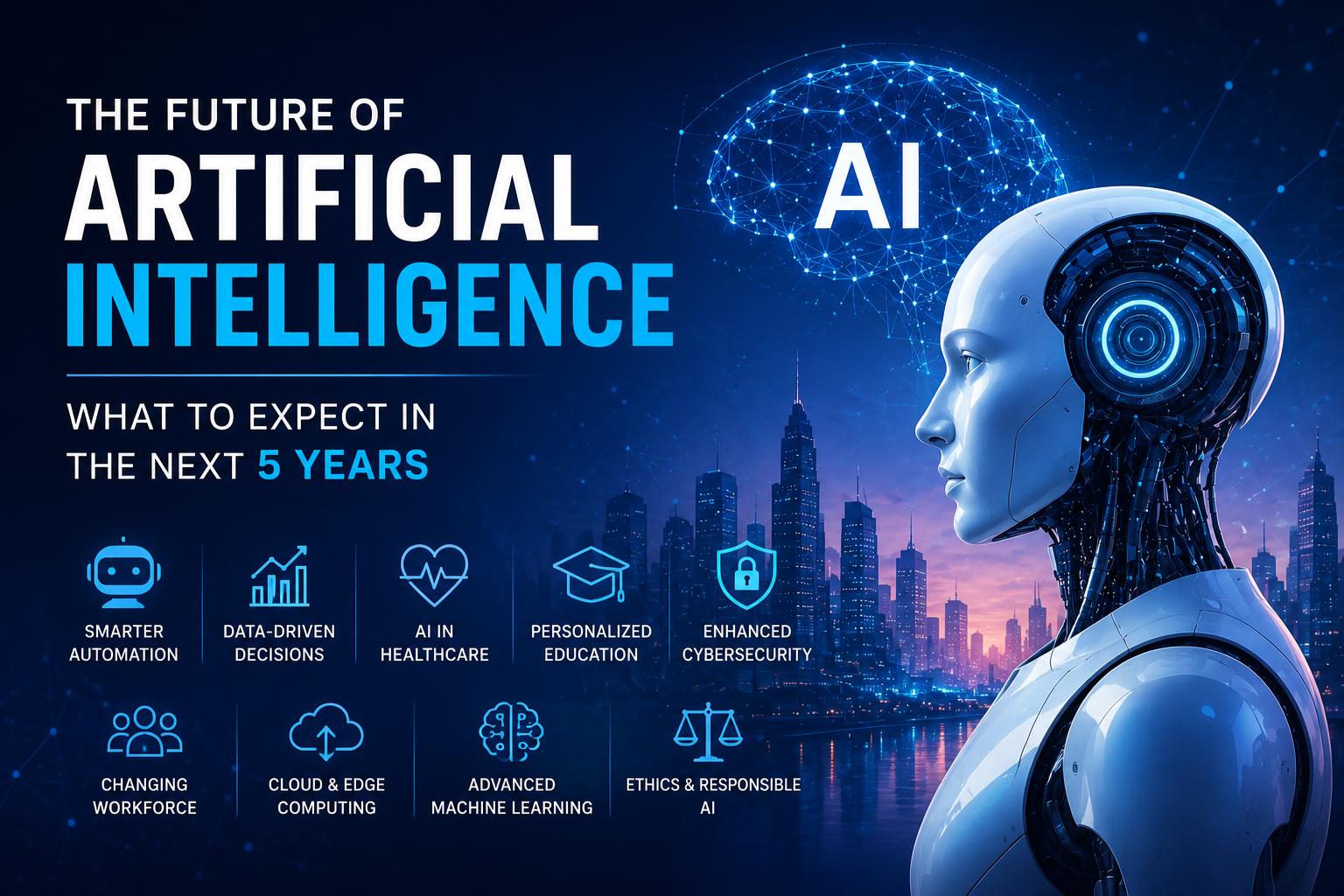
    Artificial Intelligence (AI) is rapidly transforming the way people live, work, and interact with technology. What once seemed like science fiction is now a part of everyday life, from virtual assistants and personalized recommendations to smart automation and advanced data analysis. Over the next five years, AI is expected to become even more powerful, influencing nearly every industry.

    One of the biggest developments will be smarter automation. Businesses will use AI to handle repetitive tasks, improve customer support, and analyze large amounts of data in seconds. This will increase productivity, reduce operational costs, and allow employees to focus on creative and strategic work.

    The healthcare industry will continue to benefit from AI through faster disease detection, personalized treatment plans, and improved patient care. In education, AI-powered learning platforms will provide personalized lessons that match each student’s pace and learning style.

    Cybersecurity will also evolve as AI helps organizations detect threats, prevent cyberattacks, and respond to security risks more efficiently. At the same time, ethical concerns such as data privacy, transparency, and responsible AI development will become increasingly important.

    While AI will create new opportunities, it will also reshape the job market. Some routine jobs may become automated, but new careers in AI development, cybersecurity, data science, and machine learning will continue to grow.

    The future of AI is not about replacing humans but empowering them with smarter tools. Businesses and individuals who embrace AI responsibly will be better prepared for the digital future and the opportunities it brings.