Tag: Smart Technology

  • The Rise of Smart Homes and IoT Devices

    The Rise of Smart Homes and IoT Devices

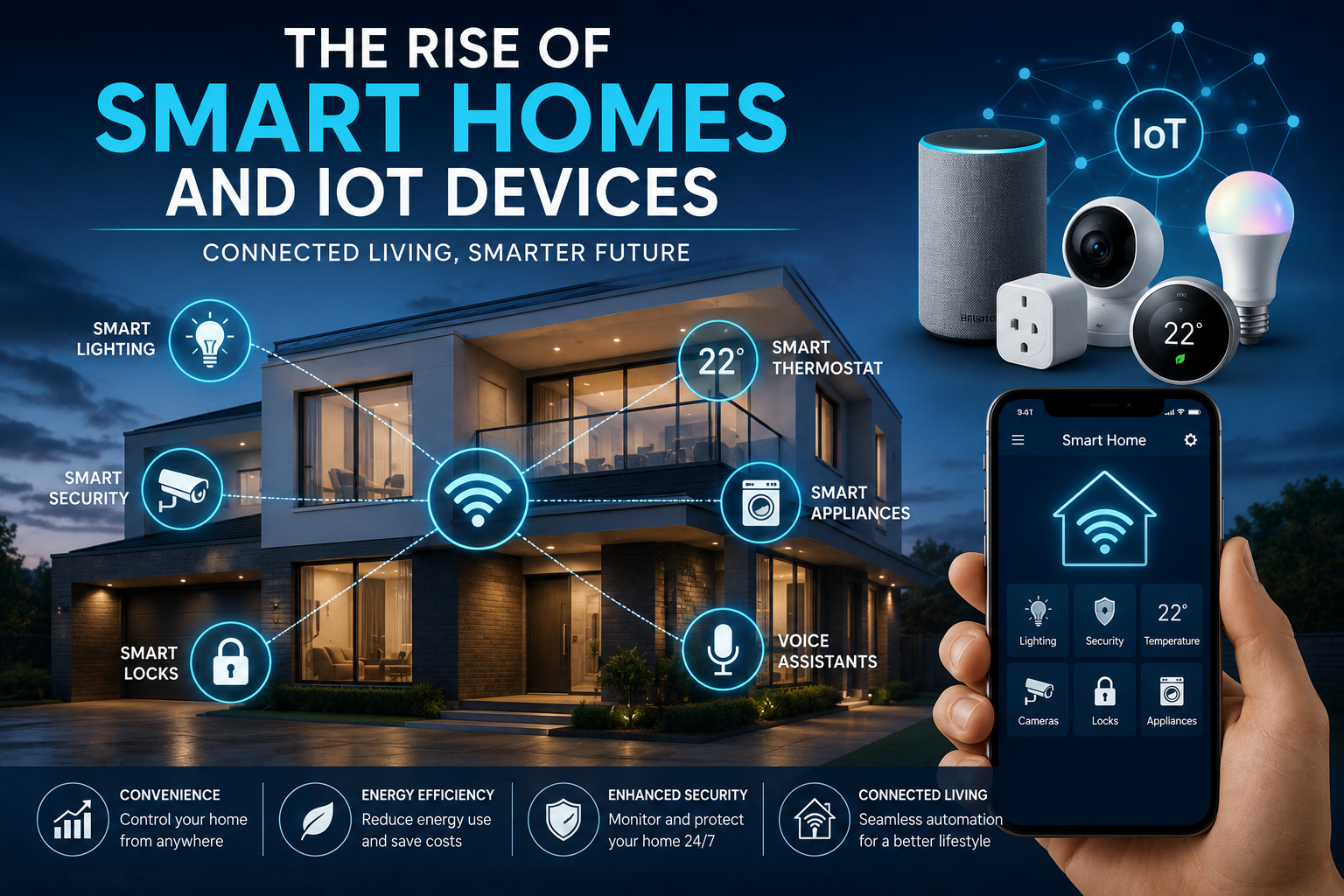
    Technology is transforming the way people live, and one of the most exciting developments is the growth of smart homes and Internet of Things (IoT) devices. IoT refers to a network of connected devices that communicate with each other through the internet, making everyday tasks more convenient, efficient, and secure.

    Smart homes use IoT technology to automate and control household systems such as lighting, security, heating, appliances, and entertainment devices. With a smartphone or voice assistant, homeowners can manage these systems from anywhere in the world. This level of connectivity provides greater comfort and control over daily activities.

    One of the biggest benefits of smart home technology is energy efficiency. Smart thermostats, lighting systems, and power management tools help reduce energy consumption by automatically adjusting settings based on usage patterns. This can lower utility bills while supporting environmental sustainability.

    Security is another major advantage. Smart cameras, motion sensors, video doorbells, and smart locks allow homeowners to monitor their properties in real time. Instant notifications and remote access features help improve safety and provide peace of mind.

    The healthcare sector is also benefiting from IoT innovations. Smart wearable devices can track health metrics such as heart rate, sleep quality, and physical activity, helping individuals maintain healthier lifestyles and enabling healthcare providers to monitor patients remotely.

    As technology continues to advance, smart homes and IoT devices are expected to become even more integrated into everyday life. These innovations are creating smarter, safer, and more efficient living environments while shaping the future of connected technology.
  • How Artificial Intelligence Is Transforming Everyday Life

    How Artificial Intelligence Is Transforming Everyday Life

    Artificial Intelligence (AI) is no longer a futuristic concept found only in science fiction movies. Today, AI has become an integral part of daily life, helping people perform tasks more efficiently and improving experiences across various industries. From smartphones to online shopping, AI is changing how we interact with technology every day.

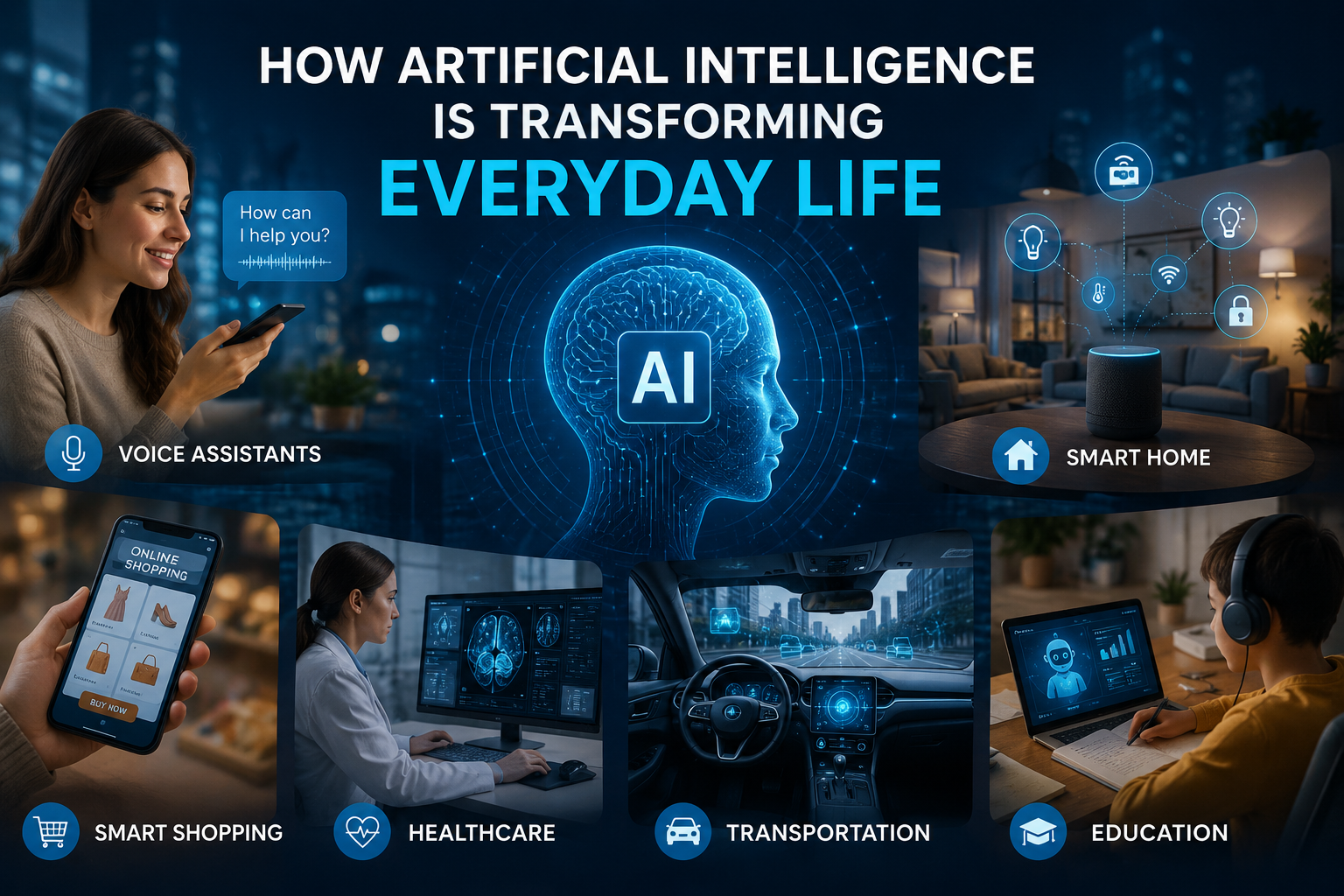
    One of the most common uses of AI is in personal digital assistants. Applications such as voice assistants can answer questions, set reminders, play music, and provide directions within seconds. These tools use advanced algorithms to understand user preferences and deliver personalized experiences.

    AI is also revolutionizing the way people shop online. E-commerce platforms analyze customer behavior, browsing history, and purchase patterns to recommend products that match individual interests. This not only improves the shopping experience but also helps businesses increase customer satisfaction and sales.

    In healthcare, AI is assisting medical professionals by analyzing patient data, detecting diseases earlier, and supporting more accurate diagnoses. These advancements help improve treatment outcomes and make healthcare services more efficient.

    Transportation is another area benefiting from AI technology. Navigation apps use real-time traffic data to suggest the fastest routes, while modern vehicles increasingly rely on AI-powered systems for safety features and driving assistance.

    Education has also embraced AI through personalized learning platforms that adapt to students’ needs and learning speeds. This allows learners to receive customized educational experiences and improve their understanding of complex subjects.

    As AI technology continues to evolve, its impact on everyday life will become even more significant. While challenges such as privacy and ethical concerns remain, AI offers countless opportunities to improve convenience, productivity, and innovation. Understanding and embracing these advancements can help individuals and businesses thrive in an increasingly digital world.